
How to Clean Tarnished Silver Jewellery: Rings, Necklaces
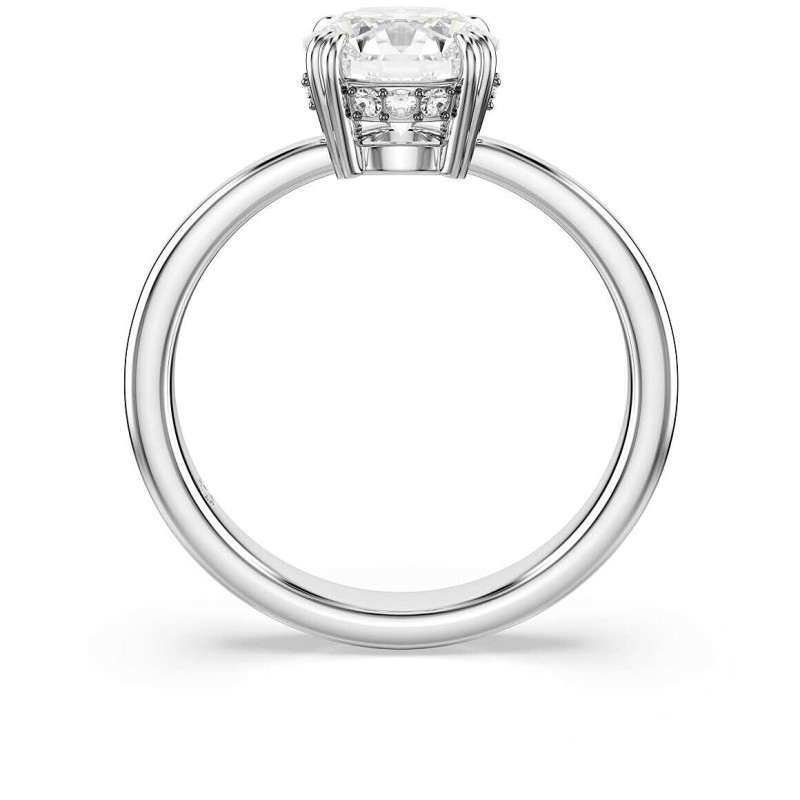
From the Alexander Gioielli collection
Over time silver jewellery tends to tarnish: it is a natural process called oxidation, caused by contact with air, humidity, sweat, perfume and cosmetics. The good news is that silver can be restored with simple methods and ingredients you already have at home. Here is how to do it, step by step, and the mistakes to avoid.
In short: For tarnished silver, lukewarm water and mild soap with a soft toothbrush are enough; for heavier oxidation, a paste of baking soda and a little water, then rinse and dry immediately. Avoid toothpaste, which is too abrasive. To prevent tarnishing, store silver in a dry place in a closed pouch.
Why does silver tarnish?
Silver reacts with the sulphur present in the air and on the skin, forming a dark layer on the surface. It is not a defect and does not mean the piece is damaged: it is just oxidation, which is easily removed. Curiously, wearing a piece often helps keep it shiny, because it is naturally “polished” as you wear it.
Method 1 — Lukewarm water and mild soap (for light dirt)
Ideal for routine cleaning:
- Fill a bowl with lukewarm water and a few drops of mild soap.
- Soak the piece for a few minutes.
- Scrub gently with a soft-bristled toothbrush.
- Rinse with clean water and dry immediately with a soft cloth.
Method 2 — Baking soda (for heavier oxidation)
For more visible tarnish:
- Make a paste with baking soda and a little water.
- Apply it to the piece with a soft cloth or your fingers.
- Rub gently, following the surface.
- Rinse well and dry.
Use baking soda sparingly and without pressing: it is slightly abrasive. Avoid it on mirror-polished pieces or those with delicate finishes.
Method 3 — The silver cloth (the safest)
Impregnated silver cloths are the gentlest and most effective way to polish: they clean and leave a light anti-tarnish protection. Perfect for regular maintenance.
Careful: when NOT to do it yourself
Some cases call for caution or a professional:
- Jewellery with stones, pearls or enamel: many home methods can damage it. Pearls in particular are extremely delicate: never soak them or rub them with abrasives.
- Deliberately oxidised silver (“burnished” finishes): aggressive cleaning removes the effect intended by the designer.
- Valuable or vintage pieces: best entrusted to a goldsmith workshop.
Brands such as Giovanni Raspini create 925 silver jewellery with special finishes: if in doubt, ask for advice before cleaning.
Mistakes to avoid
- Toothpaste: often recommended online, but too abrasive for many finishes.
- Leaving the piece wet: moisture speeds up oxidation. Always dry it.
- Harsh products (bleach, ammonia): they can damage silver.
- Wearing silver in the pool or shower: chlorine and products spoil it.
How to store silver
- Keep it in a pouch or box away from humidity.
- Take it off before sleeping, doing sport, or applying perfume and creams.
- Store pieces separately to avoid scratches.
Conclusion
With soap and water, baking soda or a silver cloth, your jewellery will be bright again in minutes. For pieces with stones, pearls or of high value, a goldsmith workshop is the better choice. Discover our collection of silver and steel jewellery.
Silver-tone jewellery from Alexander Gioielli
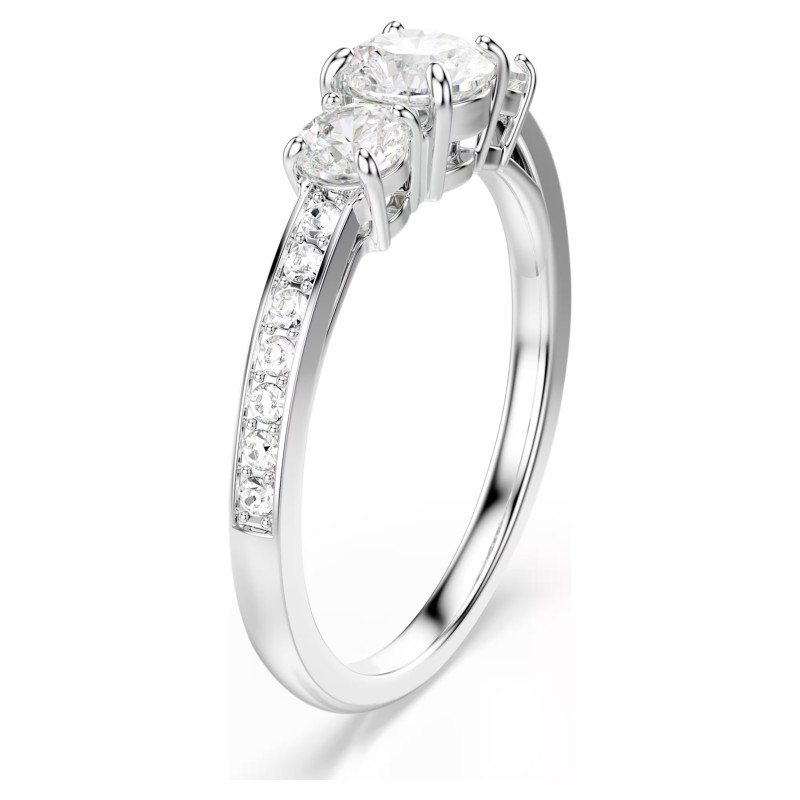 Swarovski Stilla Attract ring, silver-tone with round crystalsDiscover
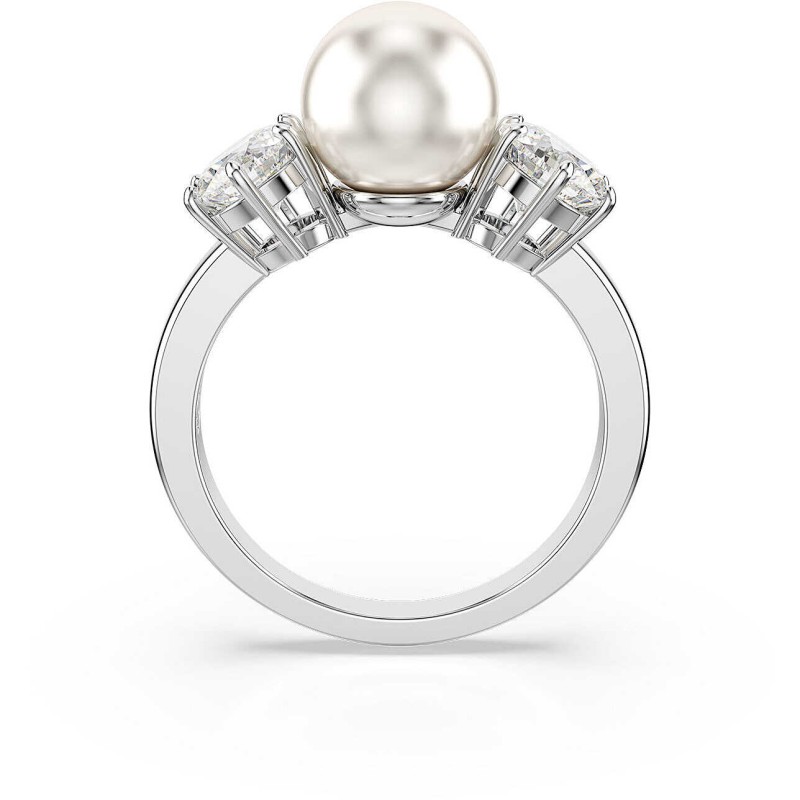 Swarovski Matrix ring, silver-tone with pearl and crystals, size 15Discover