
Automatic Watch: How It Works and How to Wind It
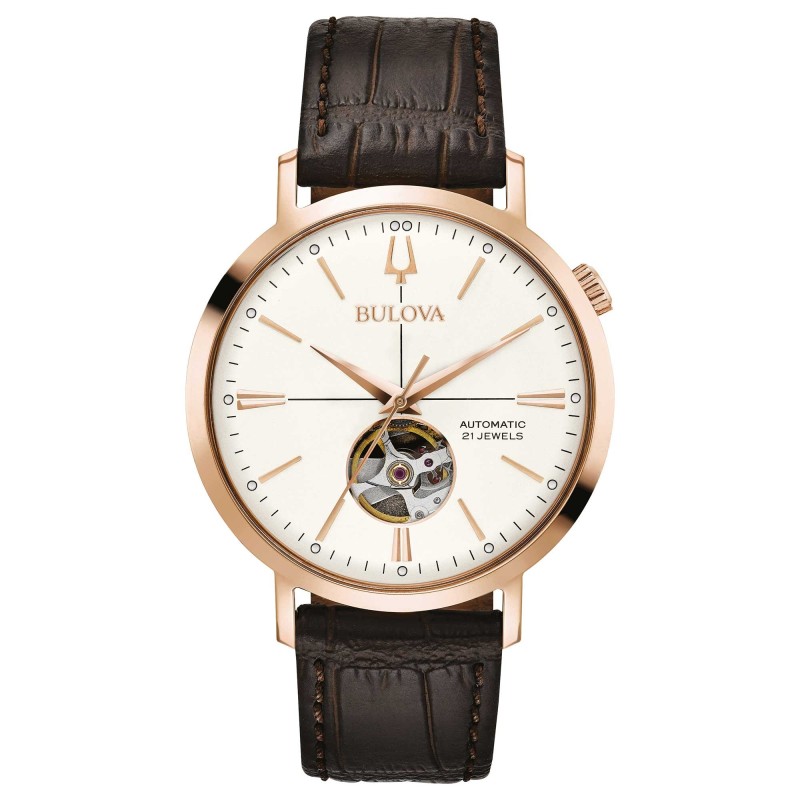
From the Alexander Gioielli collection
The automatic watch fascinates for a simple reason: it runs without a battery, thanks to mechanics and the movement of your wrist. But that is exactly why it needs a little care. In this guide we explain clearly how it works, how to wind it, how long the power reserve lasts and how to keep it in good shape over time.
In short: An automatic watch runs without a battery: the rotor, moved by your wrist, winds the mainspring. It winds as you wear it or, if it has stopped, with 20–30 turns of the crown. The power reserve is typically 38–40 hours or more: if you don't wear it, it stops, and that is normal.
How an automatic watch works
Inside there is a mechanical movement with an oscillating weight called the rotor. When you move your wrist, the rotor turns and automatically winds the mainspring (housed in the “barrel”), which stores energy. This energy is then released steadily to move the hands. No battery: just precision mechanics.
It differs from:
- a quartz watch, which runs on a battery and a quartz crystal;
- a hand-wound watch, which is wound only by turning the crown by hand.
An automatic combines the charm of mechanics with the convenience of winding from the wrist.
How to wind an automatic watch
There are two ways:
- By wearing it: wearing it for several hours a day, your natural movement keeps it wound.
- By hand, with the crown: if it has stopped, give the crown 20–30 turns (in the normal position, not pulled out) before putting it on to start it.
If the watch has been left unworn, it is normal for it to have run down: a few turns of the crown and a little movement are enough to get it going again. Then remember to set the time (and the date, if it has one).
How long the power reserve lasts
When you take it off, the watch keeps running for a certain time thanks to the stored energy: this is the power reserve. In most models it is typically 38 to 40+ hours, but it varies from model to model. If you wear it every day, it never stops; if you wear it occasionally, it may stop and will need restarting.
Tips for use and maintenance
- Setting the date: avoid changing the date manually between roughly 9 pm and 3 am, when the date mechanism is “engaged”: you could damage it. First move the hands outside that window.
- Magnetism: keep the watch away from strong magnetic sources (speakers, magnetic clasps, some tablets), which can affect its accuracy.
- A watch winder keeps the watch wound when you are not wearing it, useful if you own several.
- Water resistance: respect the limits stated by the manufacturer and have the gaskets checked periodically.
- Servicing: a mechanical movement should be serviced by a professional every few years to stay accurate and long-lasting.
Accuracy: what to expect
A mechanical watch is not accurate to the second like a quartz watch: a small difference of a few seconds a day is normal. It is part of the charm of mechanics. If you notice very large deviations, or the watch often stops even when worn, it is worth having it checked.
Conclusion
An automatic watch is a small mechanical masterpiece that lives on your movement. With a little care it will accompany you for years. Discover our selection of automatic watches from leading brands such as Seiko, Citizen and Tissot, or browse all our men's watches and women's watches.
Automatic watches from Alexander Gioielli
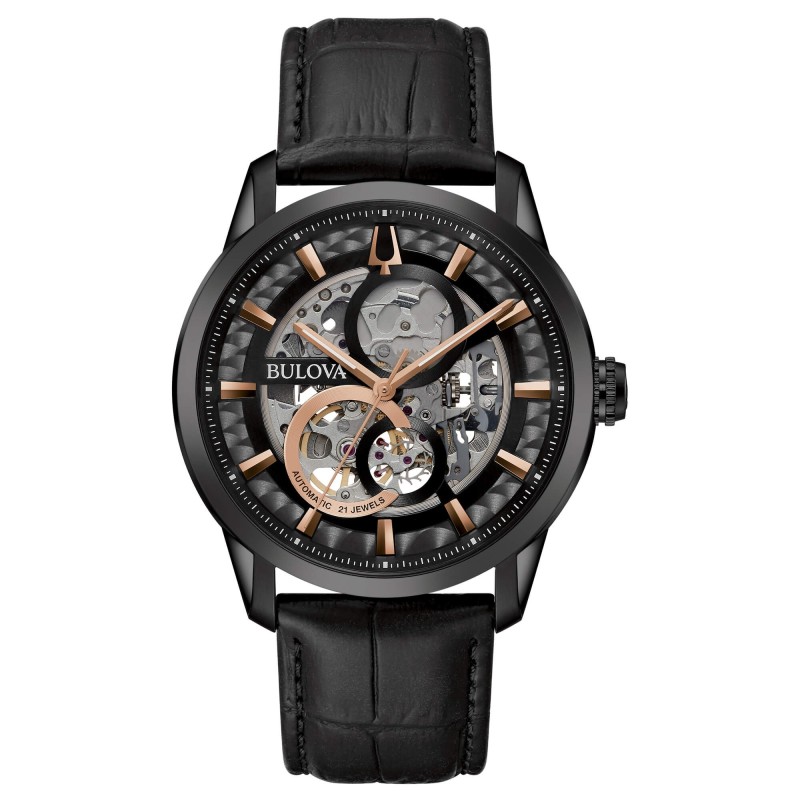 Bulova Sutton Skeleton men's watchDiscover
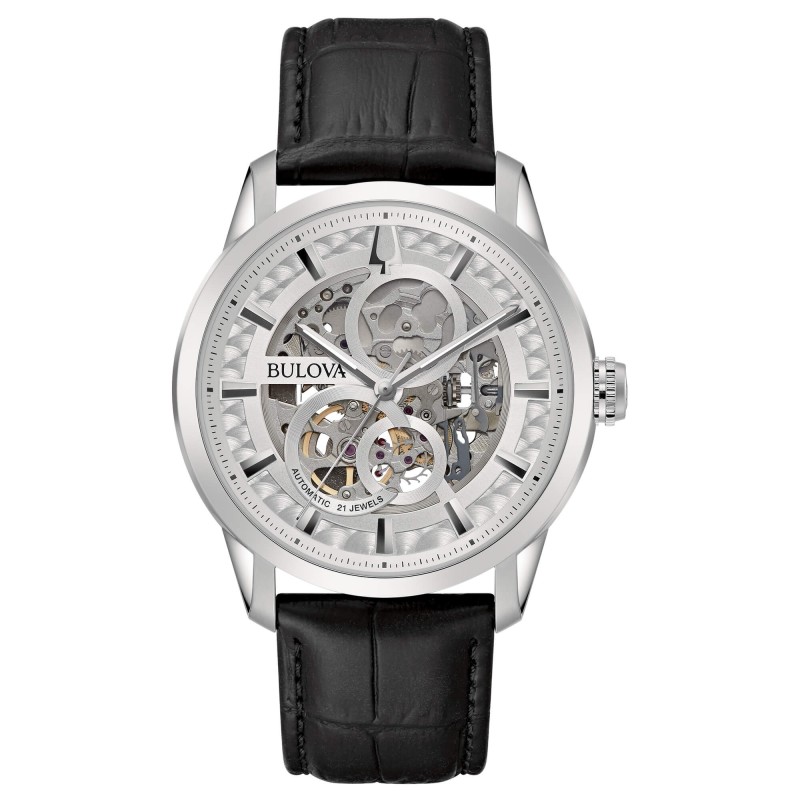 Bulova Sutton Skeleton men's automatic watch, black leather 96A266Discover
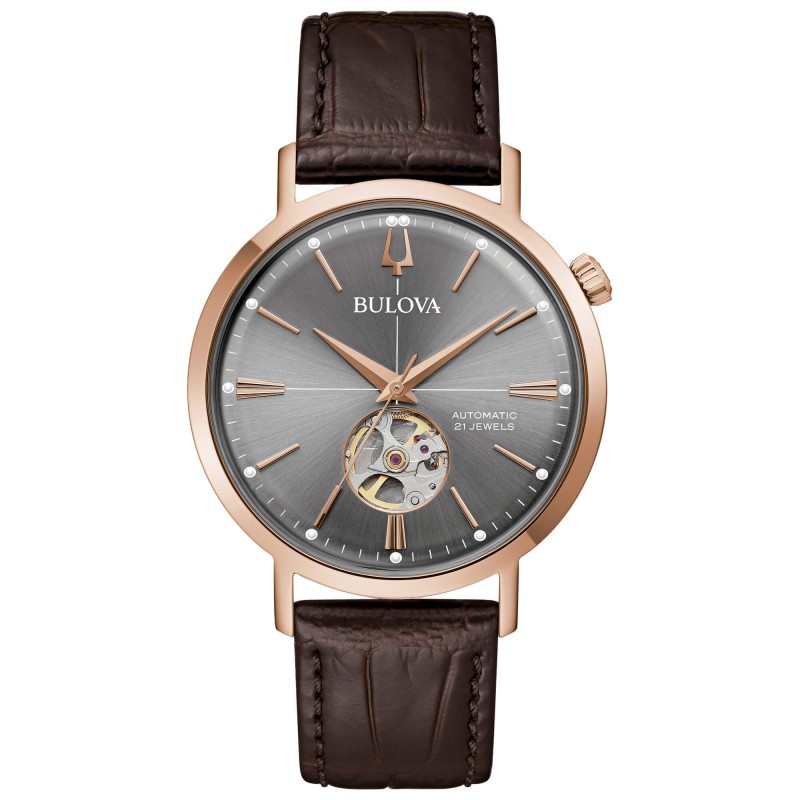 Bulova Aerojet men's automatic watchDiscover
 Bulova Marine Star men's watchDiscover