
Diamond Guide: the 4Cs and How to Choose a Diamond
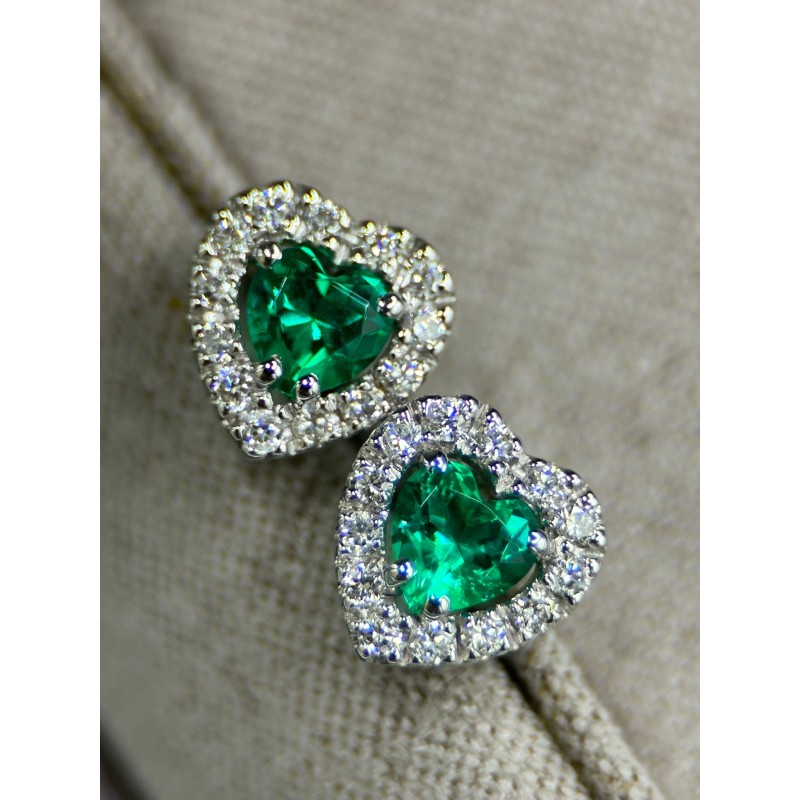
From the Alexander Gioielli collection
The diamond is the most desired gemstone in the world, but judging one requires knowing a few precise criteria. A diamond's value and beauty are measured by the famous 4Cs: Cut, Colour, Clarity and Carat. In this guide we explain them one by one, with practical advice for choosing the right diamond without spending more than necessary.
In short: The 4Cs are the criteria used to grade a diamond: cut, colour, clarity and carat. The most important is cut, because it determines brilliance. One carat weighs 0.20 grams; for valuable diamonds a certificate from an independent laboratory such as GIA, IGI or HRD is recommended.
If you are looking for an engagement ring, read the dedicated guide first: How to choose an engagement ring. Here we focus on the stone.
Cut — the most important
Cut is the factor that most determines a diamond's brilliance. It is not the shape, but the quality of the workmanship: the proportions, symmetry and polish with which the diamond has been cut to reflect light.
- An excellent cut captures light and returns it with the characteristic sparkling “fire”.
- A poor cut makes the stone look dull, even if colour and clarity are excellent.
The grading scale ranges roughly from Excellent to Poor. If you have to prioritise one of the 4Cs, invest in the cut: it is what the eye notices first.
Colour
Colour measures how free a white diamond is from tints. The international scale starts at D (completely colourless, the rarest and most prized) and continues down the alphabet towards progressively warmer (yellowish) tints:
- D–F: colourless (top range, highly prized)
- G–J: near colourless (an excellent balance of beauty and price)
- K onwards: noticeable warm tints
For most purchases, the G–J range offers a diamond that looks white to the eye at a more accessible price than D–F. The metal of the setting affects perception: in yellow gold you can choose a slightly warmer colour without it being noticeable.
Clarity
Clarity indicates the presence of small natural inclusions (internal) and blemishes (external). Almost all diamonds have them: they are nature's “fingerprints”. The scale, from the highest:
- FL / IF: internally flawless (extremely rare)
- VVS1 / VVS2: minute inclusions, extremely difficult to see
- VS1 / VS2: very small inclusions, not visible to the naked eye
- SI1 / SI2: small inclusions, generally not visible to the naked eye
- I1 / I2 / I3: visible inclusions
The key concept is “eye-clean”: a diamond whose inclusions cannot be seen with the naked eye offers an excellent compromise. A VS or a good SI often looks identical to a VVS to the naked eye, but costs less.
Carat — the weight
The carat (ct) is the unit of weight of a diamond: 1 carat = 0.20 grams. Note: it measures weight, not visible size. Two diamonds of the same weight can look different depending on the cut.
- The price rises more than proportionally as carat weight increases, with “jumps” around round weights (0.50 ct, 1.00 ct…).
- Choosing a weight just below a round threshold (e.g. 0.90 instead of 1.00 ct) can save a great deal with minimal visual difference.
- An excellent cut makes the stone look larger and brighter for the same weight.
Don't confuse the diamond carat (weight) with the gold carat (purity): see the guide Gold carats explained.
Diamond shapes
Shape is the external appearance of the diamond and is a matter of taste:
- Round brilliant — the most popular, it maximises brilliance.
- Princess (square) — modern and sparkling.
- Oval — visually lengthens the finger, very bright.
- Cushion — soft corners, a romantic/vintage style.
- Emerald — step cuts, understated elegance.
- Pear, marquise, heart — distinctive, original shapes.
Certification
For diamonds of a certain value, a certificate from an independent gemmological laboratory attests the 4Cs objectively. The most internationally recognised are GIA, IGI and HRD. Buying a certified diamond guarantees that you know exactly what you are buying.
How to choose in practice
- Start from your budget and spread it across the 4Cs.
- Prioritise cut: it is what brings the diamond to life.
- Be smart about colour and clarity: choose the range where the eye notices no difference (often G–J and eye-clean VS/SI).
- Play with the weight: just below a round threshold to optimise.
- Ask for a certificate for important stones.
Conclusion
Knowing the 4Cs lets you choose a beautiful diamond without paying for features the eye cannot perceive. Discover our selection of diamond jewellery and rings, or the fine jewellery from Salvini. For personalised advice, contact us.
Diamond jewellery from Alexander Gioielli
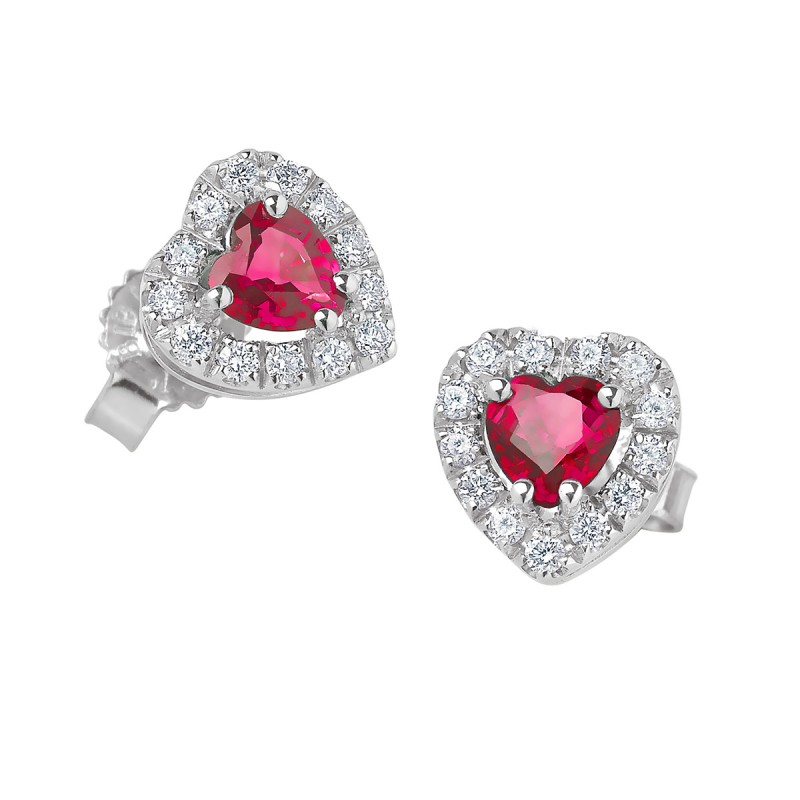 Bibigì Colore Prêt-à-Porter earringsDiscover
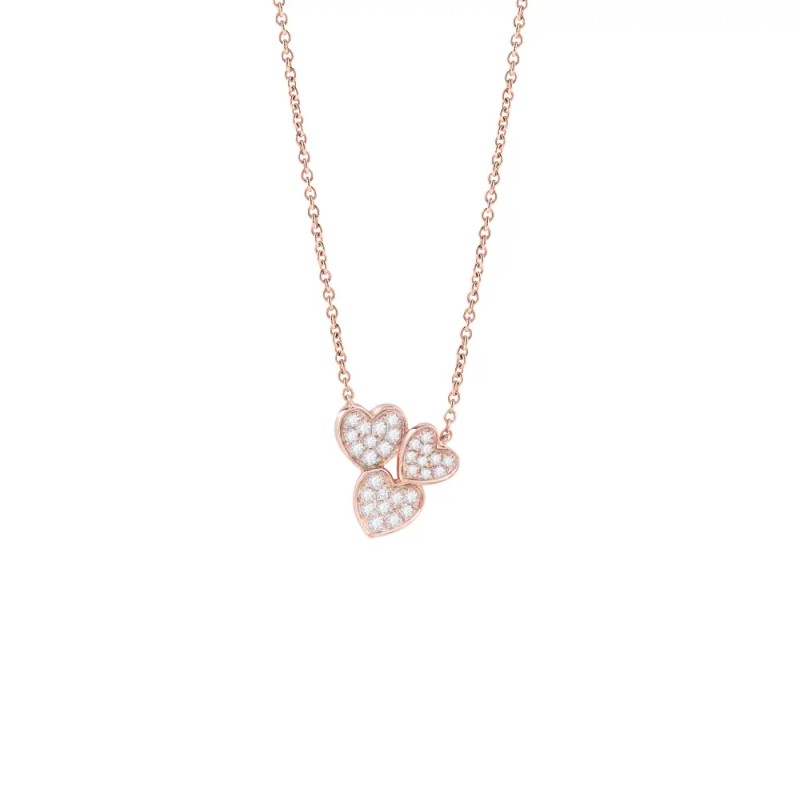 Salvini I Segni women's necklace in 18kt rose gold, 0.17ct diamond, three-dimensional heartDiscover
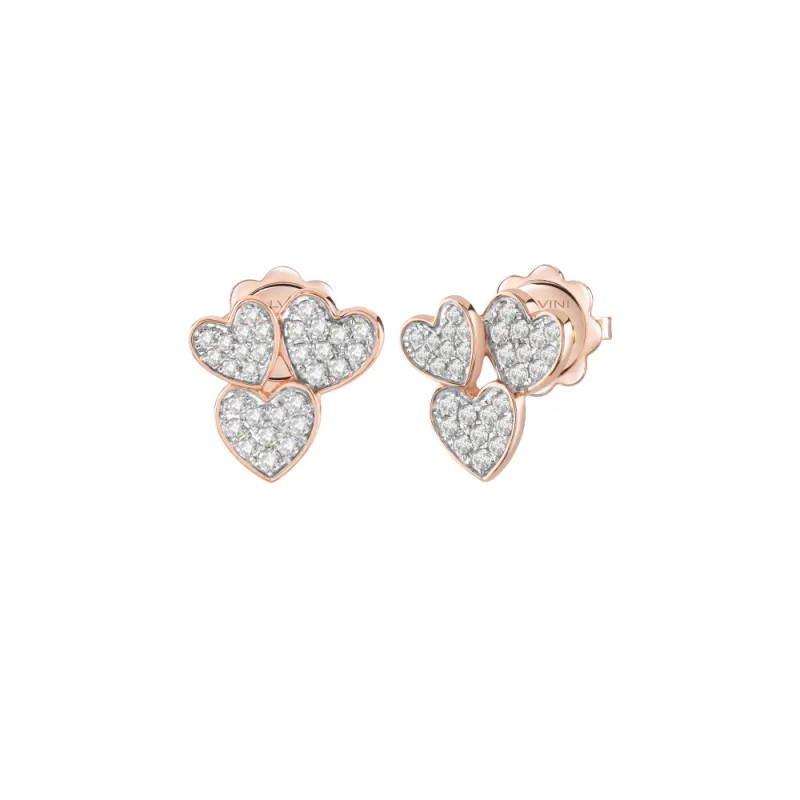 Salvini I Segni women's earrings in 18kt rose gold, 0.34ct diamonds, heart design 20104313Discover
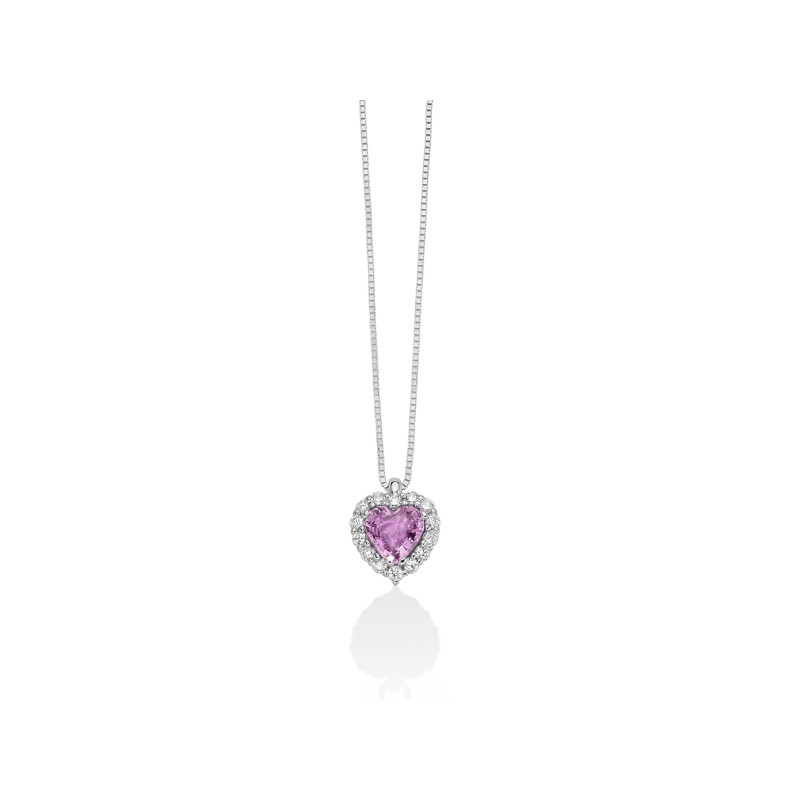 Miluna Premium Gemme women's necklaceDiscover